
Probate Administration
Losing a loved one is difficult enough without having to navigate the legal process that follows. Probate administration involves gathering, managing, and distributing a loved one’s assets, and it can feel overwhelming to know where to begin. Unlike some estate administration processes, probate involves the Probate Court, its procedures, and specific timelines. Court filings and other information submitted to the court generally become part of the public record.
At Cornerstone Legal, we want you to feel supported, informed, and confident as you move through this process. We begin with a review session to walk you through your responsibilities as Personal Representative, answer your questions, and discuss the level of support that feels right for you. Whether you prefer guidance and instructions so you can handle tasks on your own or would like us alongside you throughout the process, we’ll help you understand your options and take the next steps with confidence.
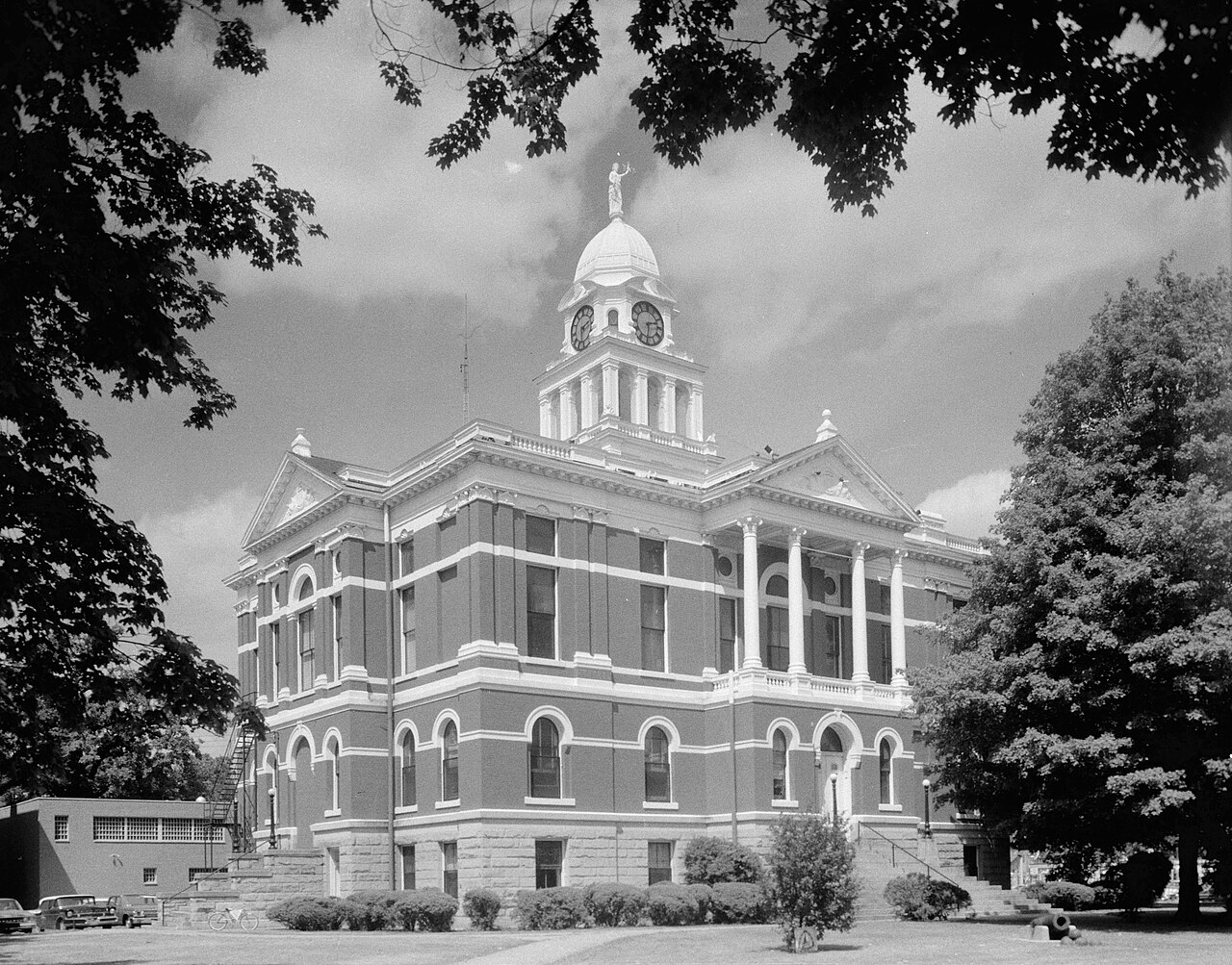
Administering a probate estate comes with important responsibilities. Understanding the process can help you feel more prepared, make informed decisions, and move forward with confidence.
Get the estate opened
The first step is opening the probate estate and understanding your responsibilities as Personal Representative.
- File the necessary documents with the Probate Court.
- Provide the interested persons with required notices.
- Publish notice to creditors and take care of known debts.
Identify and manage estate assets
Before property can be distributed, you'll need to understand what the estate owns and take appropriate steps to protect and manage those assets.
- Identify probate assets and determine their values.
- Prepare and file the required inventory.
- Manage accounts, personal property, and real estate.
Take care of obligations
Managing an estate often means addressing bills, creditor claims, and tax responsibilities before distributions can be completed.
- Review creditor claims and determine which are valid.
- Determine individual and estate tax filing requirements.
- Maintain records of transactions.
Make distributions and complete the administration
Once the estate is ready for distribution, you'll need to follow the terms of the Will or applicable law to transfer property to the appropriate beneficiaries.
- Determine if and when distributions are appropriate.
- Liquidate assets or determine if assets will be distributed in kind to the beneficiaries.
- Transfer estate assets to the beneficiaries as directed by the estate.
- Complete all final accounting requirements and remaining administrative requirements.